
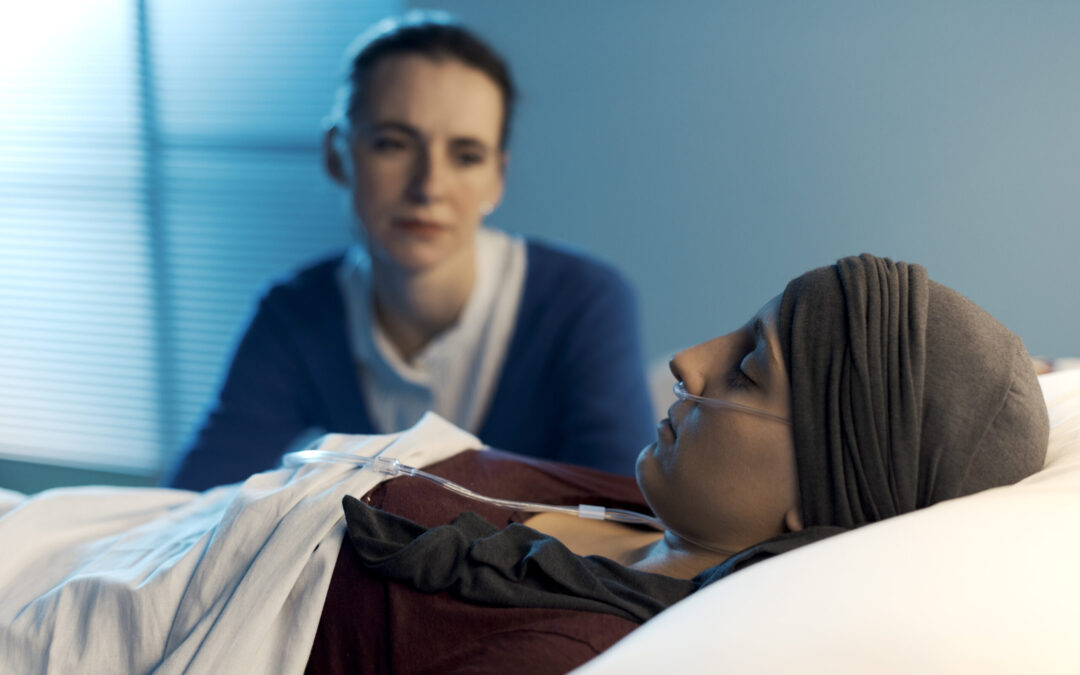
Hospice care manages pain and medical needs for people at the end of life. But it doesn’t answer every question families face in those final weeks. Who explains what the last hours are likely to look like? Who helps plan a bedside vigil, or simply sits with someone when the house grows quiet in the early morning hours? More Maryland families are turning to end-of-life doulas—non-medical companions trained for this role. Before hiring one, it’s important to understand where a doula’s work begins and where a nurse’s or chaplain’s responsibility ends.
What an End-of-Life Doula Is
An end-of-life doula is a trained, non-medical companion who supports people and families throughout the dying process—from early planning to the hours after death.
A Non-Medical Partner in Emotional and Practical Support
A doula doesn’t manage medication, order tests, or make clinical decisions. Instead, they sit with families through experiences no protocol fully prepares you for—fear, uncertainty, and the practical business of saying goodbye. The National Hospice and Palliative Care Organization’s End-of-Life Doula Advisory Council describes the role as one of companionship and education, not medical intervention. Doulas fill gaps that hospice teams often don’t have the time or capacity to address.
Working Alongside Hospice, Not Replacing It
A doula complements a hospice team instead of substituting for one. Hospice nurses, chaplains, and social workers stay responsible for pain management, spiritual care, and clinical oversight. A doula works alongside them, often visiting more frequently and for longer stretches than a hospice team’s schedule permits. Most families who hire a doula keep their hospice service in place the entire time. The two relationships run side by side, not in competition.
The Support an End-of-Life Doula Provides
An end-of-life doula’s support falls into two broad categories, emotional presence and practical, hands-on planning.
Emotional and Psychological Support
Much of a doula’s role is simply to remain present. They sit vigil, answer worried questions repeatedly without impatience, and help translate medical updates into plain language. The Cleveland Clinic notes that doulas often help families process grief and unfinished business well before a death occurs—not just after.
Practical Planning and Legacy Work
Beyond emotional care, doulas help with logistics families rarely think to plan on their own. That can mean writing a legacy letter, organizing a life review, or building a vigil plan that reflects what the dying person wants their last days to look like. This work often touches emotional territory Serenity Ridge has written about directly. In Embracing Acceptance and the Freedom of Letting Go, we explore how coming to terms with mortality, whether your own or a loved one’s, can bring genuine relief rather than only grief. A doula often helps a family arrive at that same acceptance in real time, at the bedside, rather than after the fact.
How a Doula Supports the Whole Family
A doula’s support reaches beyond the person who is dying—it extends to the entire family. That includes respite, mediation, and guidance through an unfamiliar process.
Caregiver Respite
Caregiving for a dying loved one wears people down in ways that rarely show up until weeks in. A doula can sit with the dying person for a few hours. That gives an exhausted spouse or adult child room to sleep, shower, or simply leave the house without guilt about stepping away.
Mediating Family Dynamics
Families under this kind of pressure don’t always agree. One sibling wants aggressive intervention; another wants to let nature take its course. A doula is a neutral, non-medical presence. They can help those disagreements surface calmly and keep the focus on what the dying person wanted.
Demystifying the Signs of Active Dying
Few families have ever witnessed a death before their own. A doula explains, plainly and without euphemism, what changes in breathing, skin color, or responsiveness typically mean. Those signs feel less frightening once someone has named them in advance. Doulas have become increasingly visible in Maryland for exactly this reason. As of 2023, Gilchrist, one of the region’s largest palliative care providers, had roughly 60 volunteer doulas trained through its program. The International End-of-Life Doula Association had trained more than 155 people across the state since 2015, according to Baltimore Magazine’s reporting on the field’s local growth.
Finding and Choosing the Right Doula for Your Family
The right time to look for a doula is before a crisis. The right questions focus on training, availability, and fit with your family’s values.
Signs It May Be Time to Hire a Doula
Consider a doula if a loved one has a terminal diagnosis with a prognosis measured in months. The same goes if the family feels overwhelmed by planning on top of caregiving. It also applies if no one has been through a death before and wants a steady, experienced presence in the room. Some families bring in a doula well ahead of any diagnosis, the same way they might pre-plan a burial. Serenity Ridge’s own guide on how to pre-plan a natural burial covers that earlier-stage planning in more detail.
Questions to Ask Before Hiring
A brief conversation before hiring can reveal whether a doula is the right fit.
- How many end-of-life experiences have you supported, and in what settings?
- What training or certification program did you complete, and when?
- Are you available for overnight or last-minute vigils, and how do you coordinate with hospice?
- What do you charge, and what does that fee include?
- Can you provide references from families you’ve supported?
The field is unregulated. The National End-of-Life Doula Alliance confirms there’s no state licensure for doulas, so anyone can use the title. Credentials and experience vary widely. Asking direct questions is the best way to gauge fit.
What to Expect Once You’ve Hired a Doula
Most doula relationships begin with an initial consultation and unfold through ongoing visits that intensify as death nears.
The Initial Consultation and Vigil Planning
A first meeting usually covers the dying person’s history, the family’s values, and any religious or cultural practices to honor. It also sketches a rough vigil plan, covering who wants to be present, what music or readings matter, and how the space should feel in the final hours. Most doulas revisit and adjust this plan as the person’s condition changes.
The Vigil and the Hours After Death
As active dying begins, many doulas increase their presence, sometimes staying through the night. After death, some doulas stay to support the family through the first difficult hours. They help with early decisions and simply stay present while grief settles in. Their involvement typically ends there. Funeral homes and cemeteries handle burial or cremation separately, though a family may draw on everything the doula helped clarify about the dying person’s wishes when making those choices.
Choosing Presence at the End of Life
An end-of-life doula can’t make death easy, but many families find the experience less disorienting when someone who’s been there before is present. Serenity Ridge considers this kind of preparation an extension of our daily work—helping families think clearly about hard decisions before they’re forced to make them under pressure. Not sure whether you need a doula, a burial plan, or just more information? Contact us anytime. There’s never any pressure to decide on the first call.