
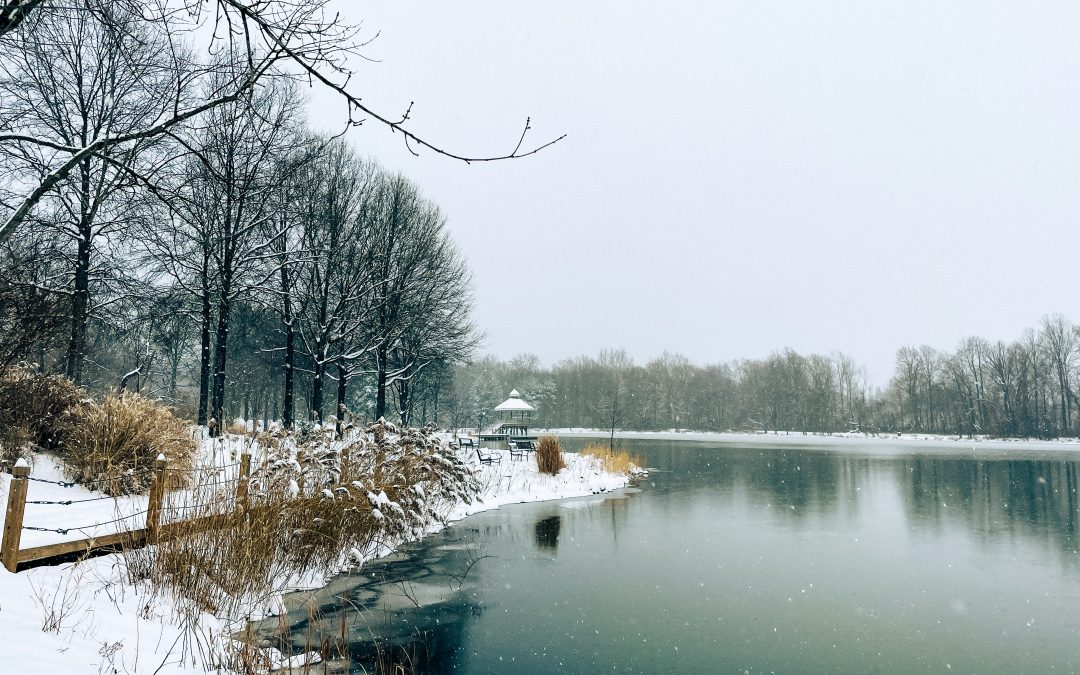
Leaf litter, hollow stems, dens, dead wood, and open water decide which animals reach spring. Maryland wildlife in winter comes down to four strategies, and each one leans on a different piece of habitat. Opossums and raccoons keep moving through the cold while bears and bats sleep it off in dens and caves. Some birds head south, and many insects never leave the leaf pile they spent summer in. Most of those survival plans look messy from the outside. They depend on leaves left where they fell and dead wood left standing. That’s the thinking behind a preserve, where habitat comes ahead of tidiness.
What Does Maryland Wildlife Need to Get Through Winter?
Lower temperatures and reduced access to water are winter’s greatest stresses, according to Maryland DNR. A lack of food, a need for shelter, and more predators add to the strain. The National Wildlife Federation says water matters to birds just as much in the cold months as in summer. Melting frozen water costs them precious calories and body heat. Shelter comes from the habitat itself.
Wildlife of every kind needs dense cover all year, Maryland DNR’s brush pile guide explains. It offers shelter from predators and from severe weather. Brush piles are one way to supply that protection. The Xerces Society adds dead trees and hollowed branches to the list of useful spaces. That need for cover is a big part of how a nature preserve differs from a park.
Which Animals Stay Active in Winter?
Opossums and raccoons stay active through the cold months. Maryland DNR says the most successful active mammals can take advantage of many food sources. Opossums fit that description, eating plants, small mammals, insects, and just about anything else to get by. Raccoons are less steady. DNR reports that they hole up during extreme weather and use up fat reserves until it passes. Red foxes skip dens outside of pup season and sleep in sheltered spots, relying on thick fur for warmth, according to DNR.
Staying active burns calories, so the land has to continue supplying food and liquid water. Birds that remain through the season feel that most. Backyards with liquid water tend to host more of them than frozen yards, the National Wildlife Federation reports. And on the worst days, every one of these animals needs somewhere to wait out the weather. That’s where dense cover, such as a brush pile or fallen wood, comes in.
Which Animals Go Dormant?
Dense cover matters even more to black bears, groundhogs, and most Maryland bats, which spend winter dormant. Black bears typically den from late November through December, depending on the weather. Maryland DNR says they slow their heart rate and breathing without becoming true hibernators. University of Maryland Extension lists hollow trees, logs, and rock crevices as den sites. Spots under fallen trees or brush work too. Most of the state’s bears live in the west, and cubs are born in the den in January, DNR notes.
Bats follow a similar plan, with little room for error. Most Maryland bats gather in caves to hibernate. A bat woken early can burn enough extra energy to run out of fuel before the end of winter, DNR explains. A 2012 study of little brown bats with white-nose syndrome, cataloged by the U.S. Geological Survey, found that more frequent waking predicted earlier death. Groundhogs are true hibernators too, and DNR notes that hibernators rouse every few weeks.
Dormant animals run on the fat they stored in fall, and waking early spends it.
Western Maryland landowners can help by leaving dead and downed wood and large cavity trees in place, Extension advises. Those are the spots where bear dens form.
Which Animals Leave for Winter?
Dens and dead wood benefit the animals that stay, while others survive winter by leaving. Maryland DNR says some birds fly to Central America, South America, or the Caribbean, while for other species Maryland already counts as south. Monarch butterflies migrate too, and DNR notes they make the trip as adults. Whatever habitat those travelers require, they find it far from Maryland.
Who Spends Winter Hidden in Leaf Litter and Stems?
The insects that stay behind need habitat right where they are, and most of it looks like debris. Fallen leaves, hollow stems, bark crevices, and the soil all provide winter shelter. DNR lists mantises that winter as eggs, many butterfly caterpillars, and some swallowtail chrysalises. A few adults, such as mourning cloak butterflies and crickets, survive the season too.
A couple of inches of leaves are enough to cover and insulate the invertebrates beneath them, according to the Xerces Society. New bumble bee queens burrow just an inch or two into the ground, where a thick layer of leaves adds protection. Purdue reports that adult lady beetles huddle under leaf litter and in tree cavities in a state similar to hibernation. Stems matter just as much to native bees.
About 30% of native bee species nest in tunnels, according to the Xerces Society and the USDA National Agroforestry Center.
Those tunnels include the hollow centers of plant stems and twigs. The bees spend most of the year sheltered inside their nests, USDA notes. Xerces advises leaving those stems alone for winter. Fallen leaves and standing stems may look untidy in January, but underneath they’re sheltering bumble bee queens, beetles, and nesting bees.
What Can You See on a Winter Walk?
Leaf piles and dry stems are the most noticeable signs on a cold trail, since they’re what remains once the branches go bare. A fox or opossum may cross the path on a mild day, but most of the activity remains out of view until spring. Hollow logs and leaf piles deserve closer attention, because many animals are spending the season inside them.
| Strategy | Example animals | What it needs from the land | What you might see |
|---|---|---|---|
| Stay active | Fox, opossum, raccoon | A mix of food sources, liquid water, and dense cover | A fox or opossum on a mild day, while raccoons hole up in extreme cold |
| Go dormant | Black bear, groundhog, most bats | Hollow trees, logs, and fallen wood for dens, and caves for bats | Very little, since dormant animals stay out of sight until spring |
| Leave | Some birds, monarch butterflies | Habitat farther south for the winter months | A quieter trail with some summer species gone |
| Hide in place | Many insects, bumble bee queens, native bees | Fallen leaves, hollow stems, dead wood, and soil | Leaf piles, dry stems, and old logs, which are the habitat itself |
What Can You Do in Your Own Yard?
A yard can offer a small version of the same features. Garden beds and tree bases suit fallen leaves well. Lawns work better kept clear, since too many leaves can kill grass. The Xerces Society encourages leaving leaves and stems where they fall whenever practical. Any of these options helps on its own:
- Rake leaves into garden beds or around tree bases.
- Keep leaves whole with a rake or an electric blower instead of a mower.
- Leave dry stems standing through winter.
- Stack branches and sticks into a small brush pile.
- Set out a shallow dish of fresh water.
Maryland DNR recommends placing a brush pile away from the house and from feeders on the ground. Check local ordinances before building one, because piles can draw woodchucks, skunks, and snakes.
Plan a Winter Visit
Bare branches leave fallen leaves, dry stems, and old logs in plain view. That makes this a good season to see Maryland wildlife in winter and understand how the land works. At Serenity Ridge Nature Preserve and Arboretum in Baltimore County, we’re restoring native Maryland habitat by removing invasive species and replanting native plants. Curious what to look for on a first trip? Drop us a line through our contact page, and our team will gladly talk it through.